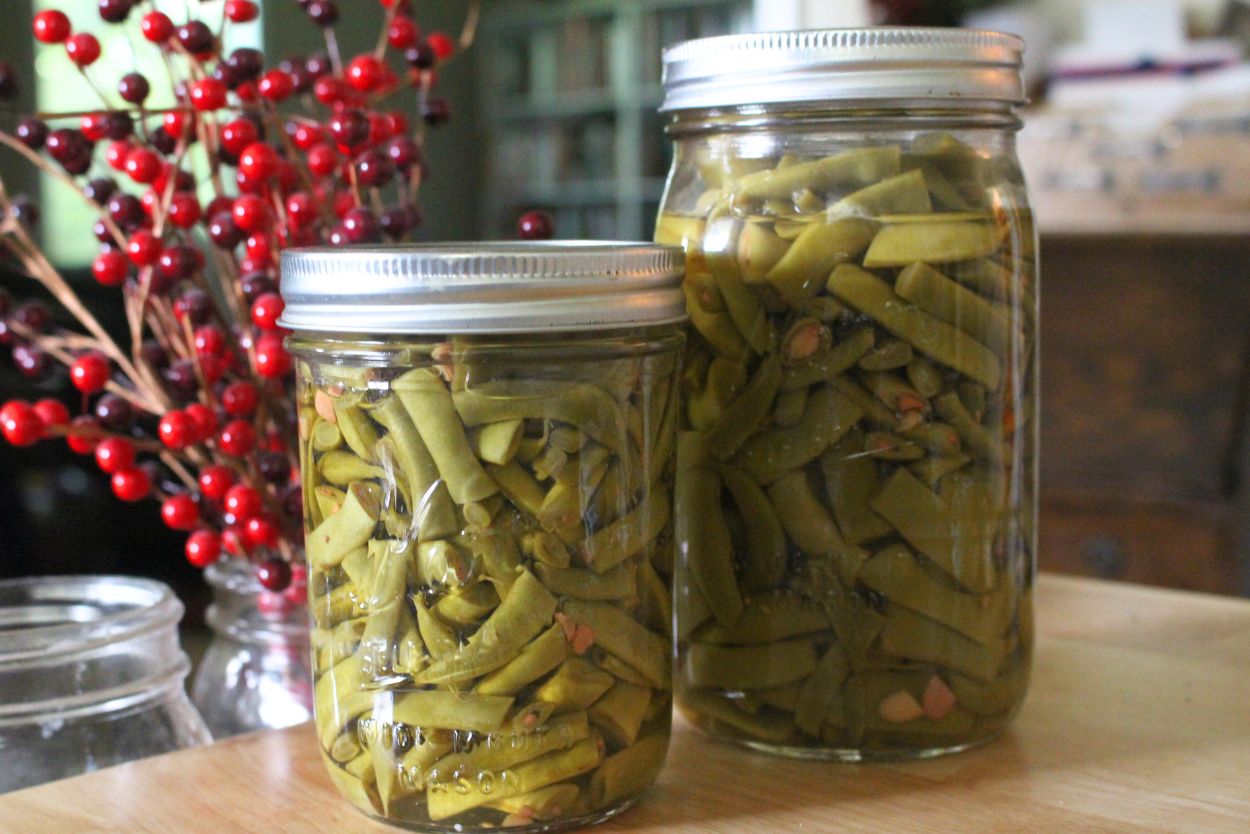
Pressure Canning Green Beans: Stock Your Pantry Safely All Year
There’s a profound satisfaction that comes from opening a jar of vibrantly green, home-canned beans in the dead of winter. It’s a taste of summer, a connection to the earth, and a nod to generations past who mastered the art of food preservation. When your garden bounty overflows or you find an incredible deal on fresh produce, learning how to can green beans isn't just a skill—it's an act of self-sufficiency that transforms fresh ingredients into year-round sustenance. Forget the limp, store-bought versions; home-canned green beans boast superior flavor, texture, and the peace of mind that comes from knowing exactly what’s in your food.
This comprehensive guide will walk you through the essential steps, focusing on safety and best practices to ensure your pantry is stocked with delicious, safely preserved green beans. Whether you're a seasoned canner or just beginning your journey, mastering pressure canning green beans is a rewarding endeavor that keeps the taste of summer alive.
Why Home-Canned Green Beans? The Unrivaled Taste and Peace of Mind
Imagine serving green beans at your holiday dinner that taste as fresh as if they were picked just yesterday. That's the magic of home canning. Unlike commercially processed beans, which often contain added sodium, preservatives, or artificial colors, your home-canned jars will hold nothing but beans, water, and optionally, a touch of canning salt. This control over ingredients is a major draw for those prioritizing health and natural eating.
Beyond the health benefits, the flavor profile is simply unmatched. Home-canned beans retain a firmer texture and a brighter, more natural taste that store-bought varieties struggle to achieve. We've been canning beans for years, and the difference is truly night and day. Once you've experienced the rich, earthy flavor of a properly home-canned bean, it's difficult to go back.
For gardeners, canning also offers a brilliant solution to an abundant harvest. Pole beans, for instance, like the Emerite variety or even the striking Purple Podded Pole Beans (which famously turn green when canned or cooked), produce over a longer season and are often preferred for their continuous yield and easier harvesting (less bending!). Canning allows you to preserve that peak freshness, ensuring not a single bean goes to waste.
Essential Safety First: Pressure Canning is a Must
When it comes to learning how to can green beans, safety is not just a suggestion—it's a critical requirement. Green beans are a low-acid food, meaning their natural pH is above 4.6. This low acidity creates an environment where Clostridium botulinum spores, which are naturally present in soil, can thrive and produce a deadly toxin if not properly eliminated. Water bath canning, while suitable for high-acid foods like pickles and jams, simply doesn't reach the temperatures required to neutralize these spores.
Therefore, green beans MUST be processed in a pressure canner. A pressure canner heats food to temperatures far exceeding the boiling point of water (212°F or 100°C), typically reaching 240°F (116°C) or higher. These elevated temperatures are necessary to destroy any potential botulism spores, making your home-canned green beans safe for consumption.
If you don't own a pressure canner, you still have options for preserving green beans. Pickled green beans (often called "dilly beans"), which involve adding vinegar to significantly lower the pH, can be safely processed in a water bath canner. Alternatively, small batches of dilly beans can be made and stored in the refrigerator for shorter-term enjoyment. However, for plain green beans, a pressure canner is non-negotiable for long-term shelf stability and safety.
Raw Pack vs. Hot Pack: Choosing Your Method for Canning Green Beans
When you're ready to get started, you'll encounter two primary methods for packing your green beans into jars: Raw Pack and Hot Pack. Both are safe and approved by the USDA, and both require the same processing time in a pressure canner. Your choice will largely come down to personal preference and the volume of beans you're working with. For a deeper dive into the nuances of each method, check out our guide on Raw Pack vs. Hot Pack: Canning Green Beans for Optimal Freshness.
-
Raw Pack: This method involves packing fresh, unheated green beans directly into warm canning jars. Once packed, you cover them with boiling water or broth.
- Pros: It's quicker and simpler, especially when dealing with a large harvest. There's less handling of hot food, making it generally easier to manage.
- Cons: Beans packed raw tend to shrink more during processing, which can leave more "empty space" (liquid loss) in the jar. The texture might also be slightly softer than hot-packed beans.
-
Hot Pack: With this method, you pre-cook the green beans for about 5 minutes in boiling water before packing them into warm jars. Then, you cover them with the hot cooking liquid.
- Pros: Pre-cooking helps the beans retain their color and firmer texture better during storage. It also allows for a tighter pack, potentially reducing liquid loss in the jar.
- Cons: It requires an extra step of cooking the beans and involves more handling of hot food and liquid, which can be more time-consuming and cumbersome.
Many experienced canners, myself included, often opt for the raw pack method due to its sheer simplicity and efficiency, especially when facing a mountain of fresh beans. While a bit of shrinkage might occur, the ease of loading room-temperature beans into jars often outweighs this minor aesthetic consideration. Experiment with both to see which method you prefer for your home-canned green beans!
Your Step-by-Step Guide: How to Can Green Beans Safely (Raw Pack Focus)
Before you begin, ensure you have a dedicated block of time and have gathered all your equipment. Once you start, you'll want to move efficiently to maintain food safety and quality. For an even more detailed walkthrough, consider consulting Easy Home-Canned Green Beans: Your Step-by-Step Pressure Canning Guide.
Gathering Your Canning Arsenal
Having the right tools is crucial for a successful and safe canning experience. Here’s what you’ll need:
- Fresh, Tender Green Beans: Aim for about 1 pound of beans per pint jar or 1 ½ pounds per quart jar. Choose beans that snap crisply and are free of blemishes.
- Canning Salt (Optional): Use ½ tsp per pint or 1 tsp per quart. This is purely for flavor and is not required for safety. Crucially, do NOT use iodized table salt, as it can darken and discolor your beans.
- Canning Jars: Clean pint or quart size jars, free from chips or cracks.
- Two-Piece Lids: New lids for each canning session (the flat disc part), and clean screw bands.
- Pressure Canner: As stressed earlier, this is essential for low-acid foods like green beans. Make sure it’s in good working order, with a functional gauge (if applicable) and vent pipe.
- Jar Lifter: For safely moving hot jars.
- Magnetic Lid Lifter: To retrieve sterilized lids from hot water without contamination.
- Ladle: For adding boiling water to jars.
- Hot Pads/Oven Mitts: For handling hot equipment.
- Clean Cloths or Paper Towels: For wiping jar rims clean.
- Chopstick or Thin Spatula: To remove air bubbles from packed jars.
- Large Pot for Boiling Water: For covering beans in jars.
Preparing Your Beans and Jars
- Wash and Prepare Beans: Thoroughly wash your green beans under cool running water. Snap off the stem ends and trim any stringy bits or blemishes. You can leave them whole, cut them into 1-inch pieces, or French cut them.
- Prepare Jars and Lids: Wash jars thoroughly with hot, soapy water, rinse well, and keep them warm (e.g., in a dishwasher, a pot of hot water, or your canner with simmering water). This prevents thermal shock when adding hot liquid. Place new lids in a small saucepan and simmer (do not boil) according to manufacturer directions to soften the sealing compound. Keep screw bands nearby.
Packing and Sealing (Raw Pack Method)
- Pack Beans: Tightly pack the prepared raw green beans into your warm canning jars, leaving 1 inch of headspace (the space between the top of the food and the rim of the jar). Don't force them too much, but aim for a snug fit.
- Add Salt (Optional): If desired, add ½ tsp of canning salt to pint jars or 1 tsp to quart jars.
- Add Hot Liquid: Ladle boiling water over the beans, ensuring they are fully submerged, while still maintaining 1 inch of headspace.
- Remove Air Bubbles: Insert a clean chopstick or thin spatula down the sides of the jar to release any trapped air bubbles. Add more hot water if necessary to re-establish the 1-inch headspace.
- Clean Rims: Wipe the rims of each jar thoroughly with a clean, damp cloth. Any food residue can prevent a proper seal.
- Apply Lids and Bands: Center a warm, flat lid on top of each jar. Screw on the bands "fingertip tight"—meaning tighten until resistance is met, then just a bit more. Do not overtighten.
Pressure Canning Process
- Load Canner: Place the jars onto the rack in your pressure canner. Add the recommended amount of water to the canner (usually 2-3 inches, check your canner's manual). Ensure the water level is sufficient but does not come up over the top of the jars.
- Vent Canner: Secure the canner lid. Turn the heat to high. Allow steam to escape steadily from the vent pipe for 10 minutes (this is called "venting" or "exhausting"). This step is critical to ensure all air is removed from the canner, allowing pure steam to build to proper processing temperatures.
- Process Jars: After venting for 10 minutes, place the weighted gauge or close the petcock (depending on your canner type). Allow the pressure to rise to the recommended level for your altitude and jar size (typically 10-11 pounds of pressure for dial gauges, or the appropriate weighted gauge for your altitude). Consult a current USDA canning guide or your local extension office for precise pressure and processing times.
- Maintain Pressure: Once the correct pressure is reached, adjust the heat to maintain a steady pressure for the recommended processing time (e.g., 20 minutes for pints, 25 minutes for quarts at 10 lbs pressure at 0-1000 ft altitude). Do not let the pressure fluctuate.
- Cool Down: Once the processing time is complete, turn off the heat and allow the canner to cool naturally until the pressure returns to zero. Do NOT try to rush this process by opening the vent or cooling with water. Forcing depressurization can cause liquid loss from your jars (siphoning) and affect seals.
- Remove Jars and Check Seals: Once the pressure gauge reads zero, wait a few more minutes, then carefully remove the lid. Use your jar lifter to remove the hot jars and place them on a towel-lined counter or wooden surface, spaced apart, to cool undisturbed for 12-24 hours. You'll hear satisfying "pings" as the lids seal. After cooling, press the center of each lid. If it's concave and doesn't flex, the jar is sealed. Remove screw bands, wipe jars clean, label them with contents and date, and store in a cool, dark place.
Any jars that did not seal should be reprocessed within 24 hours with a new lid (after checking for rim issues), or refrigerated and consumed within a few days.
Conclusion
Learning how to can green beans is more than just following a recipe; it's an investment in your pantry, your health, and a cherished tradition. The process of pressure canning, while requiring careful attention to detail and safety protocols, yields an immensely rewarding bounty. From the crisp snap of a freshly picked bean to the comforting "ping" of a sealed jar, every step connects you to the wholesome goodness of real food. So, pull out your canner, gather your beans, and embark on this satisfying journey. Your future self, enjoying delicious green beans all year long, will thank you.
